
Monroe Resident Record Coverage
Let the fact pick the record. Ouachita Parish property records address assessment and ownership clues. The voter portal covers registration and districts. Courts document filed proceedings, and a vital index documents a life event. License boards and the Secretary of State identify credentials or business roles, though none of these is a master list of Monroe residents.
| Record | What It Can Confirm | Official Keeper | Access |
|---|---|---|---|
| Assessment | Owner, parcel, situs or mailing clue | Ouachita Assessor/DataScout | Free search described |
| Voter registration | Status, parish, precinct or district | Louisiana Secretary of State | Limited public portal |
| Court filing | Party role, case type and dated events | Ouachita Clerk or proper court | Portal, account, or clerk inquiry |
| Vital event | Historical event, marriage or divorce trail | LDH, Archives, Clerk, or court | Modern copies restricted |
| Credential or entity | License status or business role | Issuing board or Secretary of State | Official public search |
Start narrow. An address question belongs with the assessor. A court question belongs with the court that heard the matter, and a historical family event belongs with the Archives index before any certificate is sought. A resident lookup grows stronger when independent records agree on a date, parish, parcel, docket, or labeled role.
Looking Up Monroe Court Names
The Fourth Judicial District Court handles Ouachita and Morehouse Parish district matters. It posts no complete public trial search online. For civil and criminal indexes, the Ouachita Parish Clerk is the practical custodian. For copies and counter questions, the same office serves. Monroe City Court is separate. It holds limited jurisdiction in Wards 3 and 10. Federal cases tied to Monroe go to the Western District via PACER. The Clerk's current records route is Clerk Connect. Its live Ouachita field list sits behind an account flow.
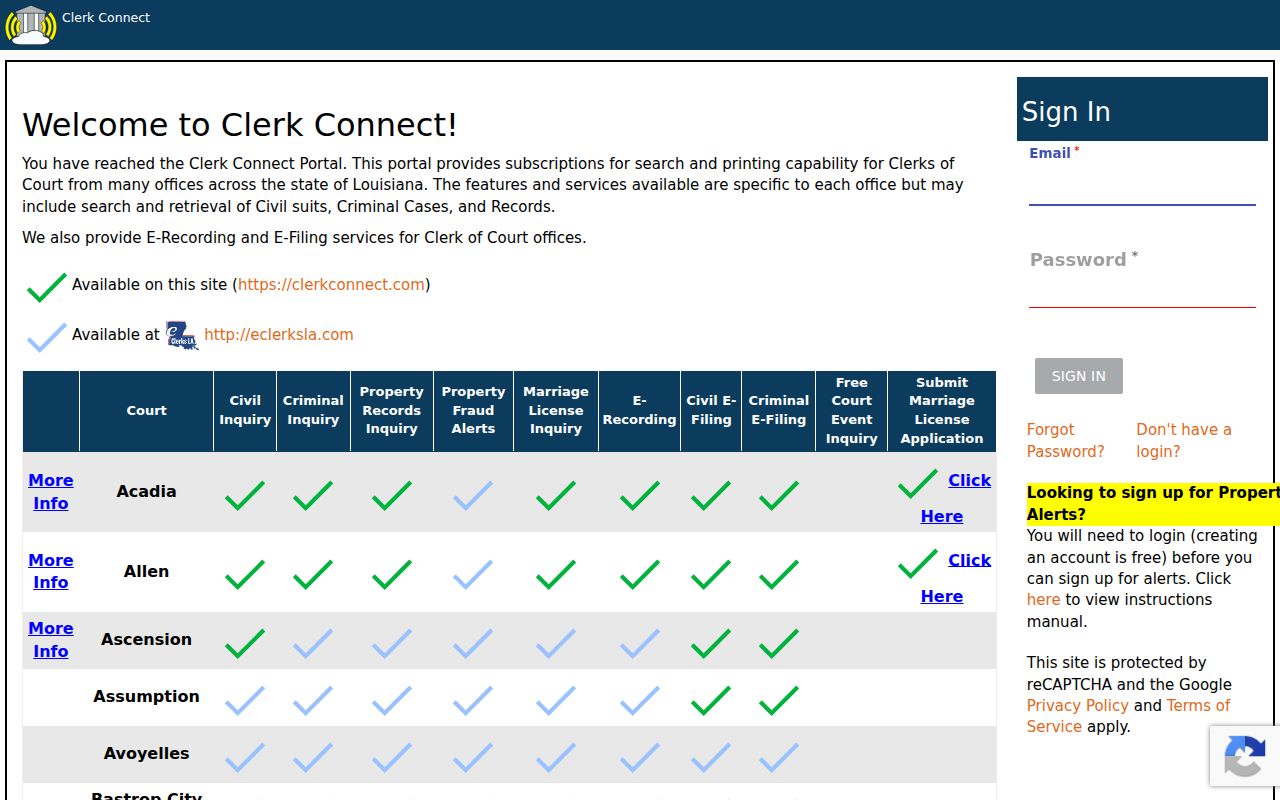
The portal is an entry point, not proof that every docket or image is online. Names are not the only key. A docket number, division, or filing type may fit. Whatever the key, a docket can list allegations, motions, dismissals, and dates rather than a final finding.
Confirming Monroe Names Statewide
Statewide indexes help too. Ouachita records can surface through Louisiana's parish index structure, and the eClerks LA parish search explanation distinguishes index access from document images and subscriptions.
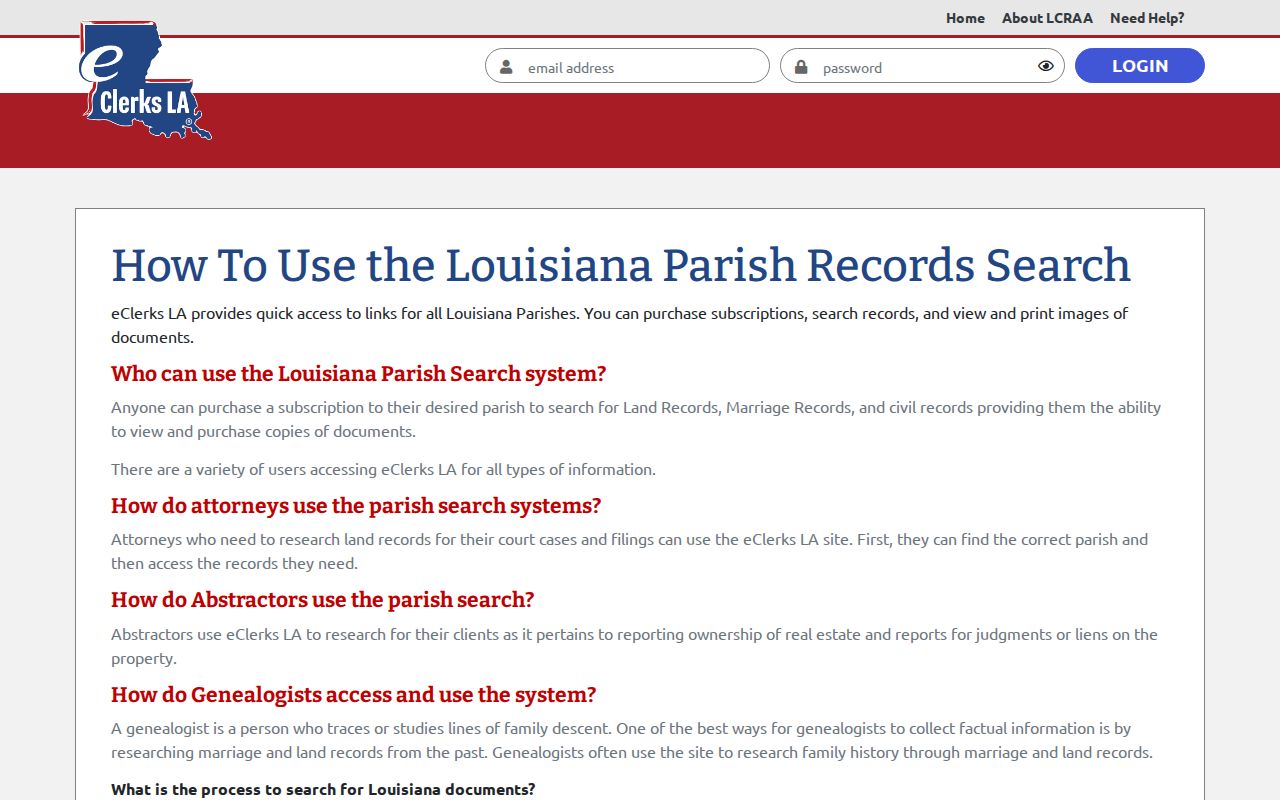
The statewide view helps identify the parish and route. The Ouachita Clerk still must confirm any result. An index is a finding aid with basic data, an image reproduces a filed page, and a certified copy carries the custodian's formal authentication.
- Docket
- A court’s numbered case record and chronological event list.
- Index versus image
- An index points to a record; an image shows the filed page.
- Certified copy
- A copy authenticated by the office that keeps the original.
Verifying a Monroe Resident Match
Keep a short audit trail. Write down the exact spelling, source, search date, jurisdiction, and displayed role. Matching names are not matching people. Monroe, West Monroe, Ouachita Parish, and neighboring parishes can produce similar names across distinct jurisdictions, so a property owner, court party, voter, and license holder should never be merged on a name alone.
- Anchor the name to a dated address or parcel clue in the Ouachita Assessor record, while treating assessment as neither title nor occupancy.
- Check the voter portal by name and ZIP only if registration or district data answers the question.
- Search the correct court route, then compare docket, division, dates, and party role.
- Use an eligible vital certificate or public historical index only when its access rules fit.
- Save a dated source note and request a custodian copy when formal proof is needed.
A strong match needs more than a shared name. A parcel, case number, spouse named in an older record, dated entity role, or event parish can separate two people. If identifiers conflict, leave the match open.
Monroe Voter Lookup Limits
The name route asks for first name, last name, ZIP, and birth month and year. The address route differs. It wants ZIP, address, apartment or lot, and city. A blank result has many causes. It may be a format mismatch, another parish, inactive or protected status, or an interface limit.
The official voter-list request page is a controlled request channel, separate from the public portal.
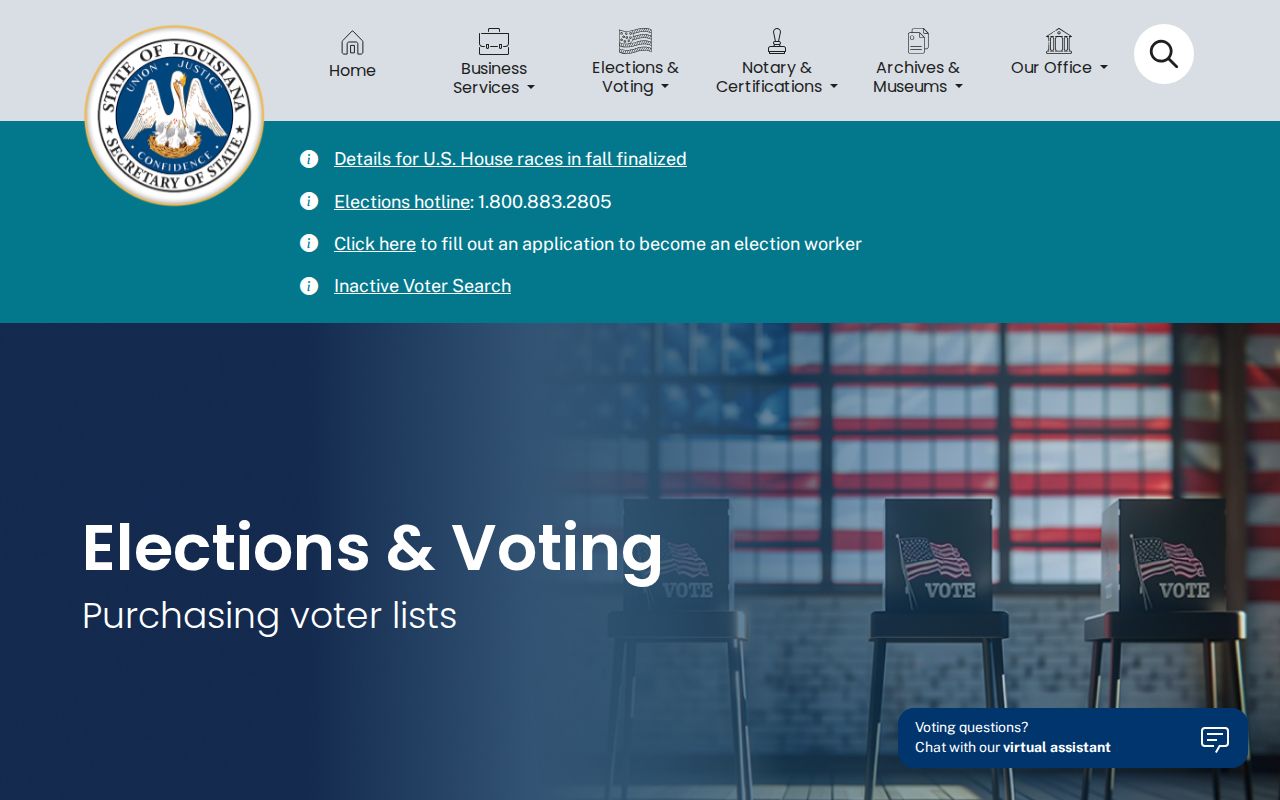
The request route is controlled, not open. Louisiana law shields Social Security and driver-license numbers. It also protects full birth-date parts, most email data, protected addresses, and information for certain young or protected voters. The source date matters. Any disclaimer attached to the data belongs with whatever conclusion a person draws from it.
Note: Official sources list two Registrar street addresses, so confirm the current Ouachita office location before visiting.
Monroe Vital Index Checks
Louisiana Department of Health birth and death certificates are not open modern resident lists. Birth records stay confidential for 100 years. Death records stay sealed for 50. Eligible requesters must supply record details, relationship, identification, applicant information, a signature, and a fee. Marriage records route through the Ouachita Clerk, and divorce files through the proper court.
Older indexes sit with the Secretary of State Archives. The birth interface covers an 1819 to 1925 microfilm range with names, parents, parish, and date, while the death interface covers 1911 to 1975 with name, parish, age, and date. These are pointers, not certificates. Adoption and putative-father files follow restricted procedures. A resident lookup must never infer a birth parent from sealed material.
Monroe Business Role Search
The Louisiana Commercial Search accepts three keys. It will search an entity name, a charter or trade number, or an officer or agent name.
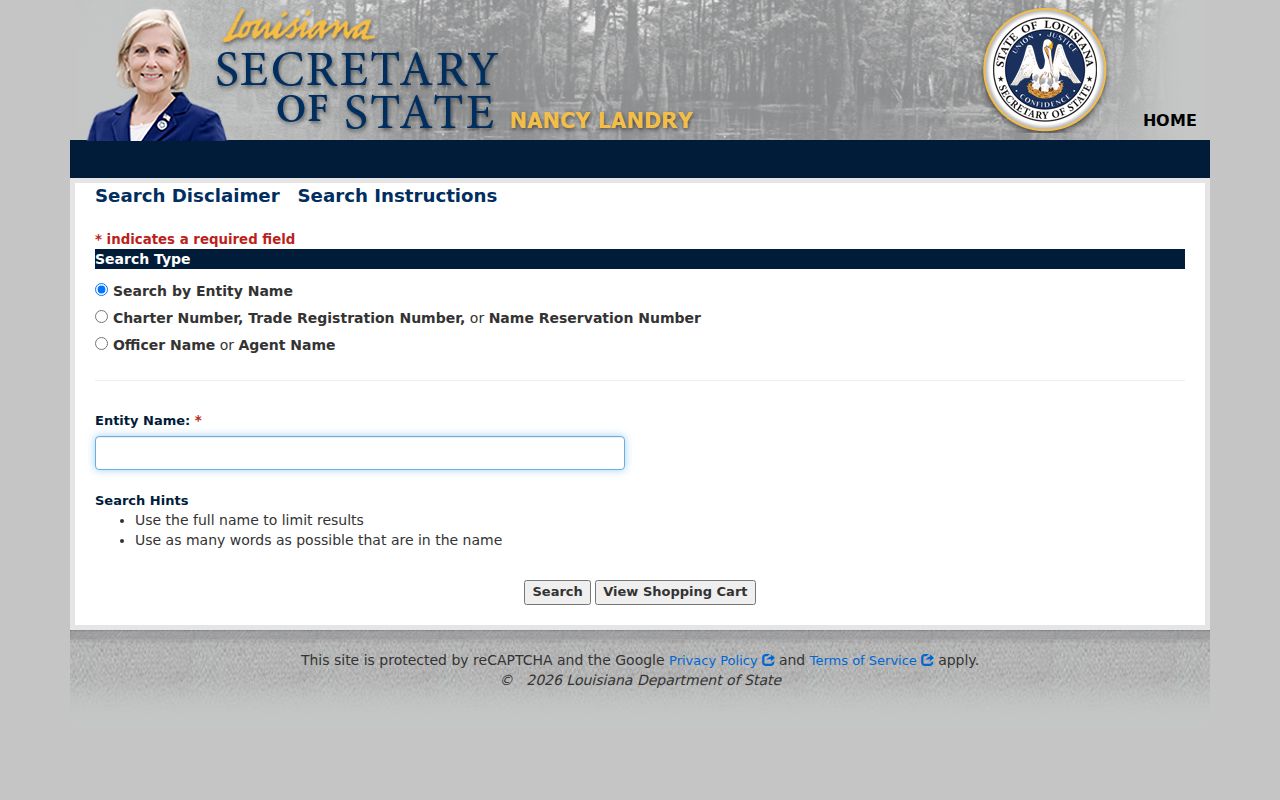
A result may confirm an entity filing, status, history, and labeled role. It does not prove an officer or agent lives at the registered office. Keep the role and its date intact.
UCC filings are separate financing notices. Louisiana assigns UCC-1 filings to parish offices, and the Secretary of State provides no search. Exact name handling matters. So contact the Ouachita Clerk for the parish route rather than treating a UCC entry as a personal profile.
Checking Monroe Professional Credentials
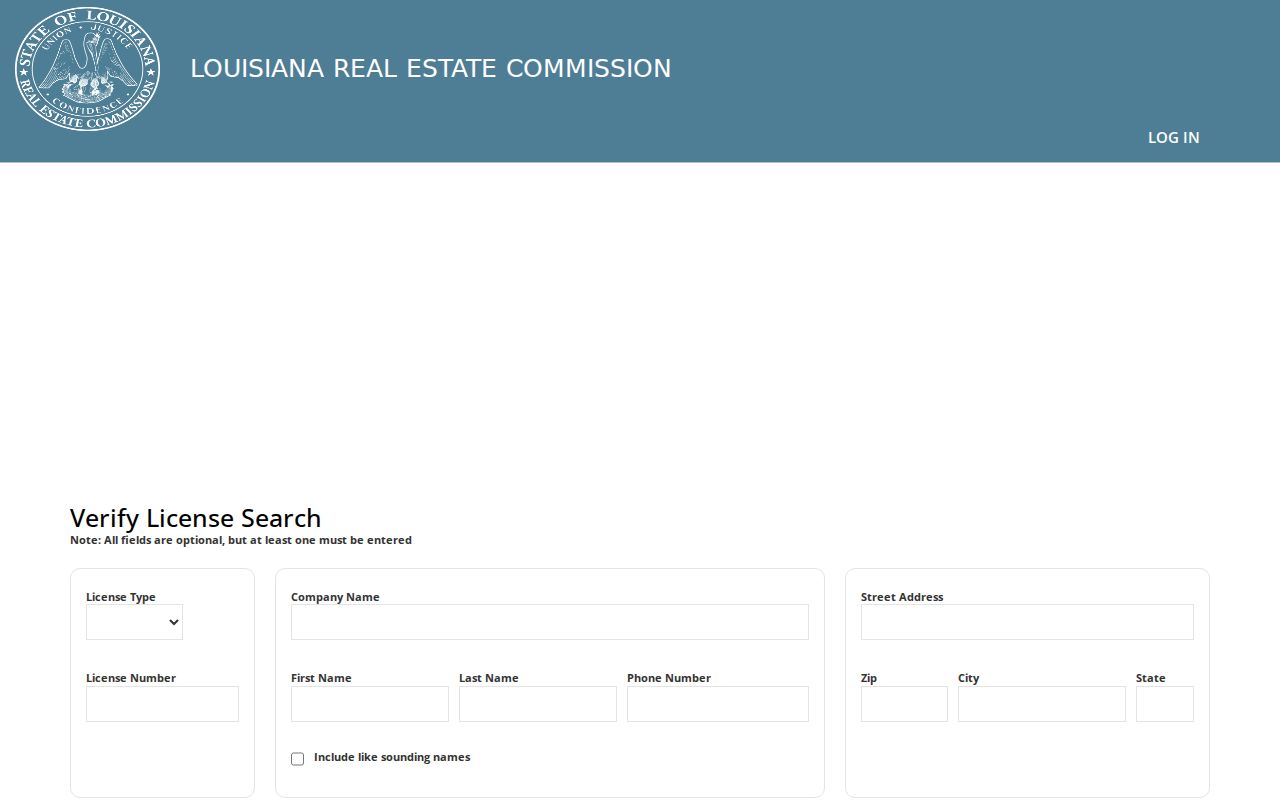
Need to confirm a real estate agent in Monroe? The Louisiana Real Estate Commission search takes license type or number, company, first and last name, phone, and similar-sounding names. You can also query by street, ZIP, city, and state.
The Louisiana contractor search covers both companies and individuals. Filters include name, license number, city, Ouachita Parish, contractor type, class, and qualifier names.
Write down what the board returns. License type, status, and number are the facts worth keeping. The issuing board matters too. Remember that an office address proves a credential, not a home.

A credential check like this works well for checking out a seller, a service provider, or a business claim in Monroe. The statewide license index sends most other professions to their own boards. No single screen covers every field.
Monroe Records Request Fallback
If a portal lacks the field you need, ask the custodian directly. Louisiana Public Records Law, La. R.S. 44:1 and 44:31 through 35, supports inspection of public material subject to exemptions. Spell out the office and the record. Give the date range, names, and any docket or parcel number. Say whether you want to inspect or receive copies. A narrow request gets processed faster and avoids pulling in unrelated personal data.
City records go through the Monroe request form. Parish court and land material belongs to the Ouachita Clerk. When a file mixes public and protected fields, request the public portion. Expect a reply that the record sits elsewhere. It may be restricted. It may instead need to be viewed at a counter.
Same-Name Traps in Monroe
Official sources have limits, but each one shows its purpose and its keeper. The free Assessor clue and the Clerk's recorded instrument are different kinds of evidence. An old directory entry is different too. Treat them that way. An owner may not occupy a parcel. A registered agent may not live at an office. Voter status is no household census.
Dates filter better than almost anything. Tie a case event to its court. Tie an entity role to its filing date. Tie a voter result to its retrieval date. Tie a vital event to the right parish. Monroe and West Monroe stay separate even when a regional source names both. That careful comparison beats any copied profile with unclear sources.
Lawful Monroe Resident Lookup
Verification notes should preserve the exact spelling searched. They should also record the jurisdiction, the date, and the record family. State plainly what the source did not establish. An assessor match proves nothing about current occupancy. A company filing is not a household record. An index line is not a certified image.
When a portal returns no match, label the limit accurately. Coverage unknown, protected, sealed, different jurisdiction, or not indexed: each points to a different next step. A later clerk or archive search can then close the actual gap.
Louisiana's Address Confidentiality Program, under La. R.S. 44:51 through 57, offers a substitute address to qualifying relocated survivors. It can shield an actual location in state and local records. This includes voter and license material. Never try to defeat that protection by piecing together scattered records. Voter law, sealed and juvenile court rules, vital thresholds, and adoption rules set other valid limits.
Act 502 was signed in 2026 and takes effect January 1, 2027. It is not a current universal deletion right, and it cannot erase official records. Report a record error to the office that issued the source. Keep only the name, record type, date, jurisdiction, source, and a short result.
Lawful use. Use a Monroe resident lookup for legitimate personal research. Never use a record to stalk, harass, intimidate, or expose a protected person.